
 By
BySelling a home can often feel overwhelming, especially when considering repairs, staging, and the uncertainty of the traditional market process. Opting to sell a property in its current condition can streamline the experience, reducing both time and expenses. Homes sold “as-is” allow sellers to bypass costly renovations and extensive preparation, making the process faster and more straightforward. This approach can be particularly beneficial for those facing tight timelines or unexpected life changes, providing a practical solution without the stress of ongoing maintenance or improvements.
Working with companies that specialize in buying homes as-is can further simplify the process. For instance, resources like https://www.hilltophomebuyer.com/ offer guidance on navigating these transactions, helping homeowners understand options and expectations. By focusing on the property’s condition rather than potential upgrades, sellers can achieve a quicker closing while minimizing out-of-pocket costs, making it an efficient and realistic choice for many homeowners.
Understanding the As-Is Sale
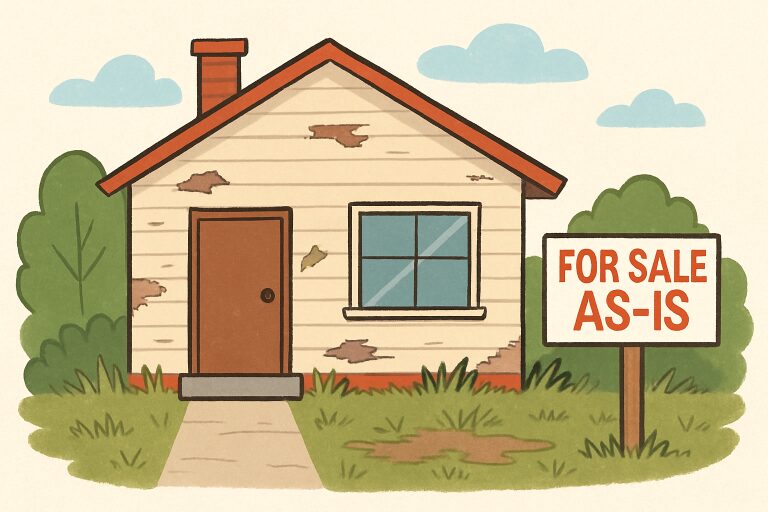
An “as-is” home sale means the property is sold in its current condition, without requiring the seller to make repairs or improvements. This approach can be advantageous for homeowners who want to avoid the time, cost, and uncertainty associated with traditional listings. Buyers of as-is homes often take on the necessary repairs themselves, which can attract investors or cash buyers seeking properties with potential value. Companies like Hilltop Home Buyer specialize in these types of transactions, providing homeowners with straightforward options and faster closings. By focusing on the home’s existing condition, sellers can eliminate lengthy negotiations over repairs, reduce stress, and move forward with their plans more efficiently, making as-is sales a practical solution in many situations.
Financial Benefits of Selling As-Is
The most immediate advantage of selling as-is is the ability to skip costly projects. Common expenses avoided include:
- Minor Repairs: Simple fixes can add up to thousands of dollars.
- Major Renovations: Projects like roof replacements or major kitchen overhauls can become financially overwhelming, especially if problems are uncovered during the work.
- Staging and Marketing Costs: Staging services alone can run from $2,000 to $5,000 or more for a standard home.
Additionally, sellers who market their home directly to investors or buy-and-sell companies may also be able to avoid paying the traditional 5% to 6% real estate commission. On a $300,000 home, this could leave you with $15,000 to $18,000 more in your pocket. The ability to eliminate all these costs at once makes the as-is sale particularly attractive to those looking to maximize their proceeds without upfront spending.
Time Efficiency
Compared to standard listings, selling as-is can dramatically speed up the sales cycle. Typical home sales involve waiting for repairs, second inspections, and buyer financing. With an as-is sale, especially when working with cash buyers or investment companies, closing can often occur in a matter of days or weeks. This is an ideal option for homeowners facing imminent relocation, financial hardship, or who simply want to move on quickly.
Attracting the Right Buyers
Properties offered as-is tend to attract a specific buyer profile: real estate investors, cash buyers, and individuals looking for lower prices and the freedom to personalize a home. These buyers are usually prepared to put in significant work after purchase. Since they expect to inherit the property’s issues, as-is sales often involve less negotiation about repairs or credits.
However, to ensure a smooth sale, it is essential to price the home realistically, reflecting its current state and any repairs future owners will need to make. A transparent approach and competitive pricing will help attract motivated buyers ready for a quick, hassle-free closing.
Legal Considerations
Sellers opting for the as-is route are still subject to legal requirements, including necessary disclosures about any known defects or problems. Failing to provide this information could lead to disputes or even legal action after the sale. Each state has its own disclosure requirements, so consulting with a real estate attorney or agent is recommended to ensure compliance and peace of mind.
Potential Drawbacks
- Lower Selling Price: Many buyers will factor in repair costs when making offers and expect a discounted price.
- Fewer Potential Buyers: Some buyers are unwilling to take on major repairs, which can limit the pool of serious offers.
Ultimately, choosing to sell your home as-is comes down to your unique circumstances. Consider if the time and money saved outweigh the potential reduction in sale price for your particular situation.
Conclusion
Selling a home as-is streamlines the sales process, shedding the burden of repairs and allowing you to move on with fewer complications. It can be an ideal fit for those facing tight schedules or who want to avoid investing more money into a property they are ready to leave behind. By carefully considering your goals, disclosing all necessary information, and pricing the property correctly, you can use the as-is option to secure both savings and peace of mind.