 By
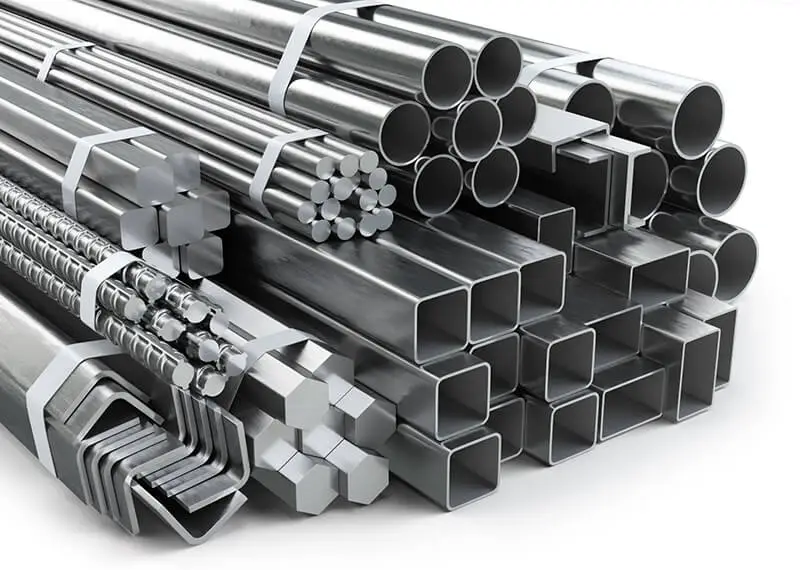
By316 and 316L stainless steels have established themselves as industry standards thanks to their remarkable corrosion resistance, strength, and longevity. Used in environments that demand long-term durability and hygiene, these alloys are vital for safe and efficient operations. Many manufacturers and suppliers, including https://www.specialtysteel.com/product/316-316l-stainless-steel-turned-ground-polished/, provide these steels for applications where their unique properties are indispensable.
The versatility of 316/316L stainless steel is relevant across sectors as varied as marine engineering and pharmaceuticals. Their resistance to harsh chemicals, chlorides, and extreme temperatures has secured their widespread use in applications where material failure is not an option. The demand for materials with long service life and minimal maintenance, particularly in aggressive environments, continues to grow as industries evolve and set higher performance standards.
Users can rely on these alloy grades not just for toughness, but also for superior hygiene and ease of fabrication. This dual advantage has resulted in widespread application, meeting rigorous requirements for public safety, food safety, and environmental protection.
From complex offshore structures to precise medical instruments, 316/316L stainless steel serves as the foundation for countless innovations, setting a benchmark for reliability and peace of mind in critical situations.
Marine and Offshore Engineering
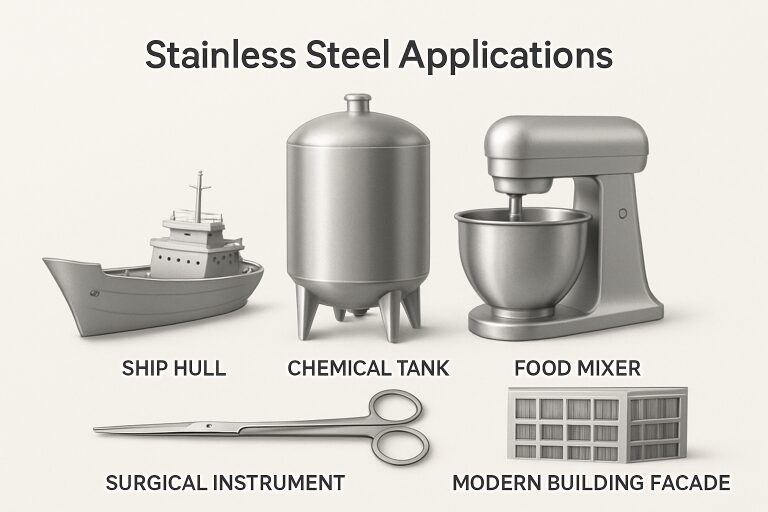
The marine industry subjects materials to relentless saltwater exposure, which accelerates pitting and crevice corrosion. This is where 316L stainless steel excels; it withstands these aggressive conditions, making it essential for shipbuilding, offshore oil platforms, and underwater equipment. Its resistance to corrosive seawater extends the lifespan of marine structures, minimizing the risk of material failure and costly repairs in challenging environments such as coastal installations and desalination plants.
Chemical Processing Industry
In chemical manufacturing, equipment must withstand exposure to potent acids, alkalis, and chloride compounds. 316 and 316L stainless steels are trusted for the construction of storage tanks, pipelines, heat exchangers, and pressure vessels. Thanks to their robust corrosion resistance and ability to handle thermal cycling and extreme pH levels, these grades help safeguard the integrity of critical infrastructure. This ensures operational safety and reduces downtime resulting from corrosion-related maintenance.
Food and Beverage Industry
Hygiene and resistance to contamination are essential in food processing, with 316 stainless steel playing a vital role due to its non-porous, easily sanitized surface. This material is non-reactive and used in equipment such as fermentation vessels and mixers, ensuring consistent compliance with food safety standards. The use of stainless steel aids compliance with health regulations and enhances the durability of production assets. The increasing demand for stainless steel equipment aligns with heightened food safety regulations and FDA guidelines that promote the use of corrosion-resistant materials in the industry.
Pharmaceutical and Medical Applications
In the demanding world of healthcare, biocompatibility and cleanliness are non-negotiable. Medical devices, surgical tools, and implants are constructed using 316L stainless steel for its excellent resistance to body fluids, acids, and sterilization chemicals. Its low carbon content minimizes the risk of contamination and ensures hypoallergenic performance, making it ideal for surgical implants, orthopedic tools, and hospital furnishings. This has helped revolutionize modern medicine by improving patient safety and product longevity.
Architectural and Structural Applications
Modern urban development, especially in coastal areas, calls for materials that combine visual appeal and resilience. 316 stainless steel is often specified for high-end facades, roofing, handrails, and cladding installations, where atmospheric corrosion from salty air is a persistent threat. Its ability to maintain appearance and structural strength, even after years of weather exposure, makes it a prime choice for luxury coastal constructions and commercial landmarks.
Emerging Industrial Applications
Continuous innovation has led to the expanded use of 316L stainless steel in new and demanding sectors. For instance, its sulfur resistance benefits pulp and paper manufacturing by extending the lifespan of machinery exposed to harsh processing chemicals. In renewable energy, especially geothermal systems, 316L’s durability in high-temperature, high-salinity environments offers opportunities for safer, more efficient operations. Its adaptability ensures that, as industries develop, the applications for these stainless steels continue to expand.
Conclusion
316 and 316L stainless steels provide the foundation for modern industry, balancing corrosion resistance, strength, and hygienic properties across a wide range of sectors. From marine construction and chemical processing to healthcare technology and architectural masterpieces, these alloys consistently deliver long-term value and reliability, making them essential in building and sustaining critical infrastructure.