By
By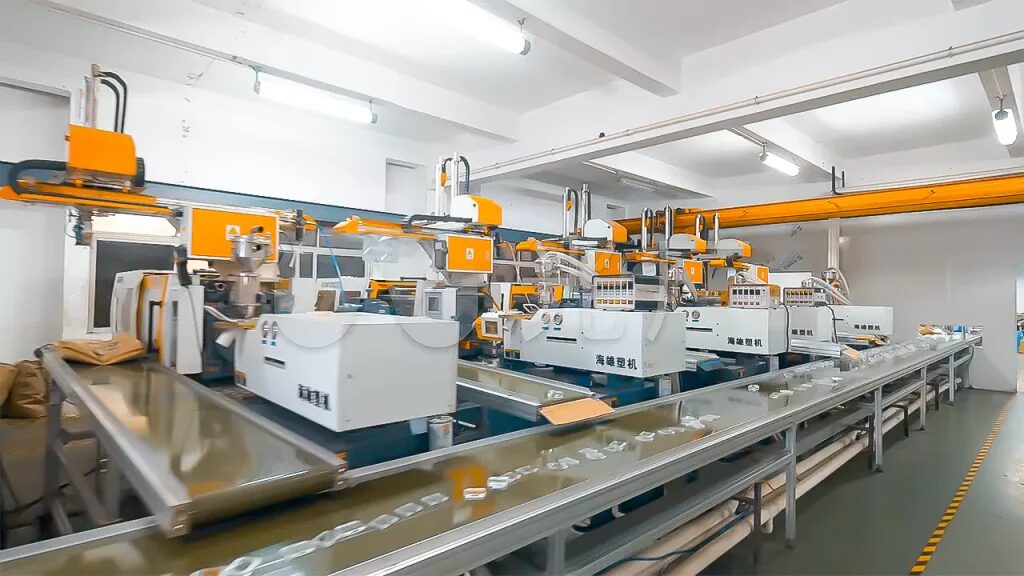
Key Takeaways
- Full-service plastic manufacturing integrates design, prototyping, and production, resulting in streamlined, efficient workflows.
- The adoption of technologies like IoT and AI helps manufacturers optimize quality and reduce operational costs.
- Environmental sustainability is a top priority, with companies introducing recycled materials and circular practices.
Full-service plastic manufacturing is quickly changing how products are developed. By offering complete, end-to-end solutions, these manufacturers create opportunities for more efficient processes, lower costs, and faster product launches. For companies looking for advantages in speed and quality, the shift to all-inclusive services is more appealing than ever. Industry partners like npi-ks.com show how seamless integration can make a big difference in today’s fast-paced markets.
From small startups to large companies, more organizations depend on full-service manufacturers to turn ideas into real products. These partners help close the gap between design and manufacturing, boosting consistency and product quality. As new technologies emerge, companies are rethinking what’s possible during each stage of product development.
Comprehensive Services Enhance Efficiency
One of the primary advantages of full-service plastic manufacturing is the ability to consolidate every stage of the process. Because design, prototyping, and production are managed by a single provider, the traditional risks that come with juggling multiple vendors are minimized. This integration leads to fewer delays, seamless communication, and higher quality assurance throughout the project lifecycle.
Incorporating engineering expertise and advanced tooling capabilities under one roof accelerates troubleshooting and iterative improvements. This approach delivers benefits for both complex industrial projects and consumer products, providing a strategic edge for organizations competing on time-to-market.
Embracing Advanced Technologies
Technological innovation is at the core of the evolution of the plastic manufacturing industry. The rise of the Internet of Things (IoT) has enabled real-time machine monitoring, allowing companies to predict maintenance needs and significantly reduce unplanned downtime. At the same time, Artificial Intelligence (AI) is being used to refine production parameters, create predictive models for demand planning, and maintain optimal performance during each production run.
Sustainability at the Forefront
With global attention increasingly focused on environmental outcomes, sustainable practices have become central to full-service plastic manufacturing. Many leading firms are investing in recycled and bio-based plastics while also seeking to minimize energy consumption during manufacturing. The adoption of closed-loop systems, such as microfactories that process plastic waste into new goods, is another example of how manufacturers are supporting circular economic models.
Customization and Flexibility
The demand for customization has risen sharply in recent years. Full-service manufacturers are uniquely positioned to meet these needs, offering end-to-end support for businesses that require rapid prototyping and tailored product solutions. In markets ranging from automotive to medical device manufacturing, the ability to quickly adapt to design changes or fluctuating order volumes directly translates into competitive advantage.
With access to a wide array of materials and finishing options, companies can refine their products without incurring the delays typically associated with third-party suppliers. This flexibility is especially valuable for businesses catering to niche markets or those undergoing fast-paced innovation cycles.
Cost-Effectiveness Through Integration
Another significant benefit of the full-service model is cost savings. By combining services, manufacturers help clients eliminate overhead linked to managing multiple contracts and logistics providers. This approach streamlines procurement and supply chain management, minimizing administrative burdens and leading to more accurate budgeting. The resulting cost reductions contribute to healthier profit margins and better value for end customers.
Quality Assurance and Compliance
True full-service providers prioritize robust quality control procedures at every step, from raw material sourcing to the final product inspection. Their comprehensive systems not only reduce variance and defects but also support compliance with a broad range of industry-specific regulations. This is particularly useful for sectors with stringent certification requirements, such as medical devices, automotive parts, and consumer products. By ensuring compliance, manufacturers protect clients from potential penalties and delays, reinforcing reliability and trust in their services.
Accelerating Time-to-Market
In fast-evolving markets, speed is often the deciding factor in product success. By managing all phases of development and manufacturing in-house, full-service providers remove traditional bottlenecks, enabling faster transitions from prototype to full-scale production. Companies can respond rapidly to shifts in consumer preferences, capitalize on emerging opportunities, and introduce new offerings before competitors do. This acceleration is invaluable for organizations that want to capture market share and maximize return on investment from innovative ideas.
Conclusion
The significant advances in full-service plastic manufacturing are revolutionizing how products are conceived, developed, and delivered. By focusing on integration, technological adoption, and sustainable solutions, these manufacturers are helping clients succeed at every level of the product development lifecycle. As more businesses embrace this holistic approach, they will be better positioned to realize substantial efficiency gains, achieve critical cost savings, and bring winning products to market at unprecedented speed.