 By
ByA playground is more than just a collection of slides and swings; it is the heartbeat of a community. It is a space where physical development meets social imagination, where children learn resilience, and where families forge lasting connections. For school administrators, landscape architects, and HOA board members, selecting the right commercial outdoor playground equipment is a significant investment in the future of their community.
However, navigating the complex landscape of playground development—from safety regulations to spatial planning—can be daunting. This guide serves as your comprehensive roadmap, offering industry insights into the planning, design, and construction of high-quality play environments that stand the test of time.
The Foundation of Fun: Strategic Planning & Design
The difference between a mediocre playground and a destination play space lies entirely in the planning & design phase. Before a single shovel hits the ground, a meticulous evaluation of the site and the intended user base must occur. This is not merely about picking colors; it is about engineering an experience.
Site Analysis and Spatial Configuration
The first step in any successful project is a rigorous site analysis. Professional playground designers must evaluate topography, drainage patterns, and existing vegetation. Does the site have natural shade, or will shade structures need to be integrated? Is the ground level, or will retaining walls be required?
Furthermore, spatial configuration involves calculating “use zones”—the safety buffers required around each piece of equipment. A trusted designer ensures that the flow of traffic prevents collisions; for example, ensuring that the exit of a slide does not intersect with the path of a swing set. This “flow design” is critical for safety and ensures that the playground can accommodate high volumes of children without feeling overcrowded.
Inclusive and Age-Appropriate Design
Modern playground design has moved beyond accessibility compliance to true inclusivity. A well-planned site considers children of all abilities. This means integrating ground-level play activities for those with mobility challenges, sensory panels for children with autism, and transfer stations on elevated structures.
Equally important is age appropriateness. Best practices dictate separating play areas into distinct zones: one for toddlers (ages 2–5) and another for school-aged children (ages 5–12).
- 2–5 Zone: Focuses on lower fall heights, sensory exploration, and gross motor skills like crawling and small steps.
- 5–12 Zone: Incorporates higher platforms, complex climbers, and upper-body challenges like monkey bars or overhead ladders to build strength and coordination.
Bringing the Vision to Life: Installation and Construction
Once the design is finalized, the project moves to installation and construction. This phase is where safety standards are rigorously applied, and the durability of the project is secured. In the commercial sector, “DIY” is not an option; the liability and complexity demand certified professionals.
Certified Professional Installation
The longevity of commercial playground equipment relies heavily on the quality of the installation. Certified installers understand the nuances of manufacturer specifications, from the torque requirements of vandal-resistant hardware to the precise depth of concrete footings.
Improper installation is the leading cause of premature equipment failure and injury. Professional construction teams ensure that every post is plumb, every clamp is secure, and every component meets the strict guidelines set by the ASTM (American Society for Testing and Materials) and the CPSC (Consumer Product Safety Commission). This adherence to compliance is your first line of defense against liability claims.
Safety Surfacing Solutions
The ground beneath the equipment is just as important as the equipment itself. Falls are the most common cause of playground injuries, making impact-attenuating surfacing a non-negotiable aspect of construction.
- Engineered Wood Fiber (EWF): A cost-effective, natural option that knits together to form a firm surface. It requires regular maintenance to maintain depth but offers excellent fall protection.
- Poured-in-Place Rubber (PIP): The gold standard for accessibility. This seamless, dual-layer rubber surface allows wheelchairs to move freely and can be customized with vibrant colors and patterns.
- Rubber Tiles: These offer a middle ground, providing the durability of rubber with a modular installation process that allows for easier repair of specific areas.
Why Choose Pacific Play Systems?
In a crowded market of manufacturers and distributors, selecting a partner who understands the specific needs of the West Coast market is vital. This is where Pacific Play Systems distinguishes itself as a leader in the industry.
Choosing the right partner ensures that your playground is not only visually stunning but also built to withstand years of heavy use and environmental exposure.
A True Turnkey Approach
Why choose Pacific Play Systems? The primary answer is their holistic, “turnkey” service model. Many companies merely sell equipment, leaving the client to hunt for independent installers or safety inspectors. Pacific Play Systems manages the entire lifecycle of the project.
From the initial complimentary site visit and 3D design rendering to the final safety audit, they handle every detail. This single-point-of-responsibility model eliminates the communication gaps that often occur between designers, manufacturers, and contractors. It ensures that the project stays on budget, on schedule, and meets the client’s exact vision.
West Coast Expertise and Customization
Operating primarily in California and the western region, Pacific Play Systems has specialized knowledge of local climate challenges and regulatory requirements. They utilize materials specifically engineered to withstand high UV exposure and coastal salt air, preventing the fading and corrosion that plague inferior products.
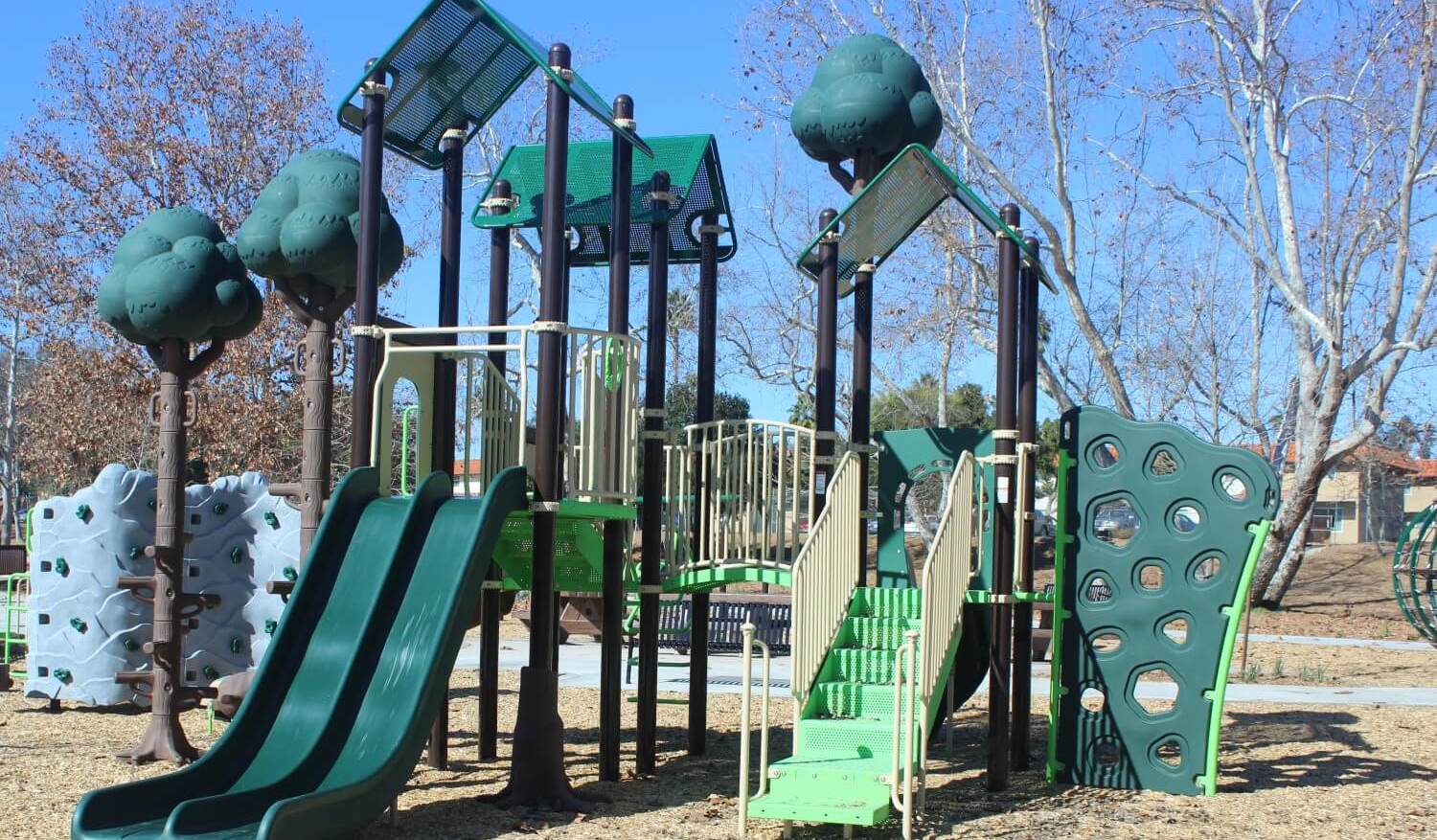
Furthermore, they are masters of customization. Whether you are looking for a nature-inspired theme that blends with a park’s redwoods or a vibrant, modern structure for an urban school, their design team can tailor the equipment to fit the aesthetic and cultural vibe of the community. They don’t just sell catalogs; they build landmarks.
The Components of a Great Playground
To maximize the value of your playground, it is essential to understand the different categories of equipment available. A balanced playground offers a variety of play types—active, passive, social, and solitary.
Composite Structures vs. Freestanding Play
- Composite Structures: These are the large, connected units that serve as the centerpiece of the playground. They combine slides, bridges, and climbers into a continuous circuit of play. They are excellent for keeping children engaged in “flow play,” where they move from one activity to the next without touching the ground.
- Freestanding Play: These are independent items like swing sets, spinners, see-saws, and merry-go-rounds. Freestanding equipment is crucial for reducing congestion on the main structure and providing high-energy kinetic experiences (spinning, swinging) that composite structures often lack.
Fitness and Wellness Integration
Modern commercial outdoor playground equipment often blurs the line between play and exercise. “Outdoor fitness clusters” are becoming increasingly popular for older children (ages 9-14) and even adults. By incorporating chin-up bars, balance beams, and plyometric steps, a playground can serve as a wellness hub for the entire family, encouraging active lifestyles and combating childhood obesity.
Conclusion
Investing in a commercial playground is an investment in the physical and emotional health of a community. It requires a delicate balance of creative planning & design, rigorous installation and construction standards, and high-quality equipment.
By partnering with a dedicated industry expert like Pacific Play Systems, you ensure that your project is not only safe and compliant but also a cherished destination for years to come. Don’t settle for a generic play space. Build an environment that inspires.