 By
ByIn vitro fertilization (IVF) has evolved significantly over the past few decades, largely due to continuous advancements in medical technology. What was once a highly experimental procedure is now a structured, data-driven treatment with improving success rates worldwide.
Today, IVF specialists use advanced diagnostic tools, laboratory innovations, and digital monitoring systems to enhance accuracy, safety, and personalization. Technology plays an important role at every stage of IVF, helping specialists optimize outcomes while reducing physical and emotional strain for patients.
Advanced Diagnostic Tools For Accurate Fertility Assessment
Modern IVF treatment begins with precise fertility evaluation supported by advanced diagnostic technology. Hormonal testing, transvaginal ultrasound, and semen analysis provide detailed information about reproductive health. Tools such as antral follicle count imaging and anti-Müllerian hormone testing help assess ovarian reserve with greater accuracy.
These diagnostic tools and tests allow IVF specialists to identify potential challenges early, predict response to treatment, and design individualized protocols. Accurate assessment reduces trial-and-error approaches and ensures that treatment decisions are evidence-based.
Precision In Ovarian Stimulation And Cycle Monitoring
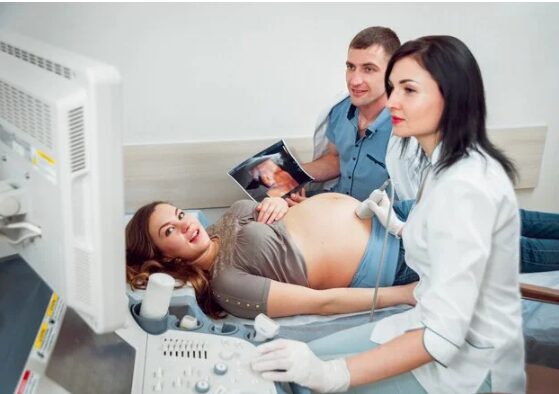
Controlled ovarian stimulation is an important phase of IVF, and technology has greatly improved how this process is managed. High-resolution ultrasound machines and digital hormone tracking systems allow real-time monitoring of follicle growth and hormonal response.
IVF specialists can adjust medication dosages based on individual response, minimizing risks such as ovarian hyperstimulation syndrome. This precision ensures optimal egg development while maintaining patient safety. Personalized stimulation protocols supported by technology directly influence egg quality and overall IVF cycle success.
Laboratory Innovations Supporting Embryo Development
The IVF laboratory is key to treatment success, and technological advancements have transformed embryo culture conditions. Modern incubators maintain stable temperature, oxygen concentration, and humidity levels that closely resemble the natural uterine environment.
Advanced air filtration systems protect embryos from contaminants, while automated monitoring ensures consistency. These controlled conditions support healthier embryo development and reduce stress on growing embryos, leading to improved implantation potential and better clinical outcomes.
Time-Lapse Imaging And Improved Embryo Selection
Time-lapse embryo monitoring systems allow continuous observation of embryo development without removing embryos from incubators. This technology captures detailed images of cell division and growth patterns, providing key insights into embryo quality. IVF specialists use this information to select embryos with the highest developmental potential.
By improving embryo selection accuracy, time-lapse imaging reduces the need for multiple embryo transfers and supports safer single-embryo transfer strategies, lowering the risk of multiple pregnancies.
Genetic Testing And Personalized Embryo Screening
Preimplantation genetic testing (PGT) has become an important technological advancement in IVF. PGT screens embryos for chromosomal abnormalities before transfer, helping identify embryos with the highest chance of leading to a healthy pregnancy.
This technology is particularly beneficial for patients of advanced maternal age, those with recurrent pregnancy loss, or individuals with known genetic conditions. By transferring chromosomally normal embryos, IVF specialists can reduce miscarriage rates and improve overall success.
Artificial Intelligence And Data-Driven IVF Decisions
Artificial intelligence (AI) is increasingly being integrated into IVF treatment planning and laboratory assessment. AI-based systems analyze large datasets related to embryo development, patient characteristics, and treatment outcomes. These tools assist specialists in predicting embryo viability and optimizing protocols based on historical success patterns.
While AI does not replace clinical expertise, it enhances decision-making by supporting consistency and reducing subjectivity. Data-driven insights allow IVF specialists to further personalize treatment strategies.
Cryopreservation And Fertility Preservation Technologies
Advanced freezing techniques, such as vitrification, have revolutionized fertility preservation. Vitrification enables the rapid freezing of eggs, sperm, and embryos with high survival rates upon thawing. This technology allows patients to preserve fertility for medical reasons, age-related concerns, or personal planning.
Frozen embryo transfer cycles produce outcomes comparable to fresh transfers and allow better endometrial preparation. Cryopreservation also improves cumulative pregnancy rates across multiple IVF cycles.
Minimally Invasive Techniques And Patient Comfort
Technological progress has also improved the safety and comfort of IVF procedures. Ultrasound-guided egg retrieval, modern anesthesia methods, and soft embryo transfer catheters reduce discomfort and recovery time. Digital scheduling and monitoring systems streamline appointments and improve coordination between clinical teams. These advancements enhance the overall patient experience while maintaining procedural accuracy and safety throughout the IVF journey.
Combining Technology With Clinical Expertise
While technology plays an important role in IVF success, outcomes depend equally on the experience and judgment of the specialist using it. Skilled IVF doctors know how to interpret data, adjust protocols, and respond to individual patient needs.
In urban cities like Mumbai, modern technology is applied thoughtfully by experienced specialists using a combination of advanced technology, clinical expertise, and personalized care. Most patients seeking the best IVF doctor in Mumbai can expect good outcomes, ensuring greater hope and confidence to individuals and couples pursuing parenthood.