By
ByKey Takeaways
- Used cooking oil is increasingly repurposed into biofuels, lessening the global reliance on fossil fuels.
- Innovative recycling approaches are transforming UCO into new products, such as eco-friendly packaging.
- Effective UCO disposal and recycling are critical to preventing environmental pollution and facilitating circular economies.
Table of Contents
- Biofuel Production from Used Cooking Oil
- Innovative Recycling Initiatives
- Environmental Benefits of UCO Recycling
- Economic Opportunities in UCO Recycling
- Challenges and Regulatory Considerations
- Future Prospects and Innovations
- Conclusion
In an era where environmental consciousness drives both public sentiment and industry practices, the sustainable management of waste products has taken center stage. One of the standout examples is used cooking oil (UCO), a resource once viewed as disposable waste, which is now gaining recognition as a catalyst for greener solutions. By repurposing UCO, companies and communities are not only minimizing landfill contributions but also fueling renewable energy initiatives and sustainable packaging. Initiatives like Gfcommodities.com exemplify how streamlined recycling programs can generate large-scale impact across industries.
Through careful collection and processing, bulk quantities of used cooking oil are helping reduce dependence on fossil fuels, curb environmental pollution, and promote circular economies. The recycling process extends beyond just ecological benefits — it’s paving the way for creative applications, economic opportunities, and new product innovation. As investment in sustainability rises, used cooking oil continues to prove its transformative potential, from powering vehicles to creating next-generation materials.
Additionally, evidence from around the world demonstrates how comprehensive UCO management, paired with community involvement, can be a catalyst for change, transforming a once-problematic waste stream into a vital component of the sustainability equation. Beyond just environmental and economic benefits, responsible UCO disposal protects water resources and helps prevent damage to infrastructure, including sewer systems.
The momentum generated by government programs, industry collaboration, and community engagement ensures that sustainable UCO recycling will remain a key focus for the foreseeable future. As a growing number of organizations adopt these initiatives, the shift toward cleaner, circular economies is accelerating, benefiting both the planet and society as a whole.
Biofuel Production from Used Cooking Oil
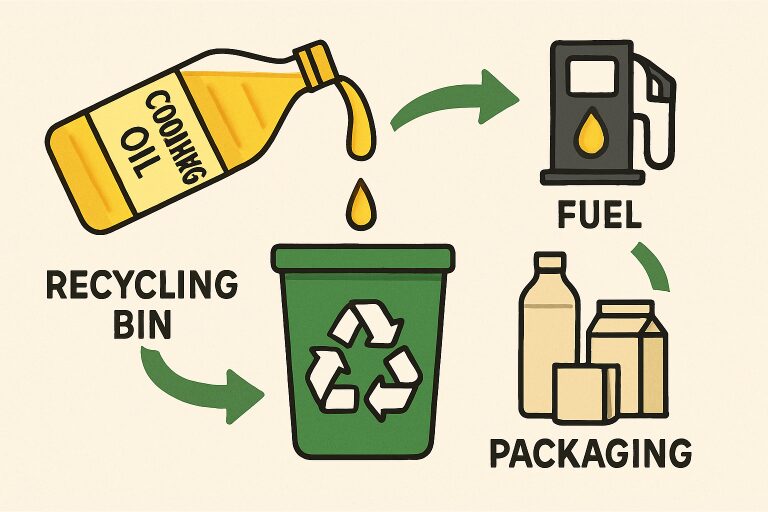
The conversion of used cooking oil into biofuels has become a cornerstone of modern sustainability. Biofuels like biodiesel and renewable diesel derived from UCO are helping offset the demand for traditional petroleum, which has significant implications for reducing greenhouse gas emissions and promoting energy security. In 2024 alone, initiatives such as Restaurant Technologies’ recycling of over 363 million pounds of UCO in partnership with the renewable energy sector demonstrate the far-reaching impact of these conversion efforts. Vehicles powered by these cleaner-burning fuels emit fewer pollutants, resulting in tangible improvements in air quality and reduced carbon emissions. Read more about how UCO biofuels are shaping energy landscapes at the New York Times.
Innovative Recycling Initiatives
Progressive companies continue to push the boundaries of what’s possible with recycled UCO. For example, the partnership between Lamb Weston and SABIC illustrates how used cooking oil can be converted into bio-based polymers used in packaging. This initiative reduces the reliance on fossil-fuel-based plastics and highlights a creative, closed-loop approach to resource management. These innovations are part of a larger trend in which businesses across diverse sectors are rethinking their waste streams and focusing on upcycling for the benefit of both people and the planet. For additional insights on sustainable packaging innovations, the Reuters sustainability page covers recommendations and developments in this field.
Environmental Benefits of UCO Recycling
Recycling used cooking oil is not only about repurposing a waste product — it’s a direct intervention in preventing environmental contamination. Improper disposal, such as pouring UCO down drains, can cause extensive waterway pollution and sewer blockages, threatening both urban and rural environments. By diverting UCO from drains and landfills, municipalities and households actively safeguard drinking water resources and avoid costly repairs to sewer infrastructure. Campaigns like Argentina’s “Reciclá tu Aceite” demonstrate these benefits on a large scale, encouraging widespread community participation and diverting substantial quantities of oil from entering water systems. Learn more about this initiative at DH-SH’s official page.
Economic Opportunities in UCO Recycling
Programs that center on UCO recovery also create new economic pathways for communities. Initiatives in Malaysia, such as the Oil2Cash Revolution, provide education and infrastructure to enable households to profit from recycling used cooking oil. These efforts illustrate how turning waste into an economic asset has the dual benefit of empowering participants financially while driving broader environmental change. The ripple effect of these initiatives includes job creation in recycling, logistics, and biodiesel processing, fostering a circular and inclusive economy.
Challenges and Regulatory Considerations
Despite the undeniable benefits, UCO recycling faces ongoing challenges related to fraud prevention, regulatory oversight, and maintaining quality standards. In the United States, concerns over fraudulent UCO imports have prompted lawmakers to propose stricter controls and enhanced traceability regulations. Ensuring transparent supply chains and compliance with environmental policies is crucial for maintaining the sector’s credibility and achieving maximum sustainability outcomes. This regulatory evolution is expected to heighten accountability and strengthen industry best practices.
Future Prospects and Innovations
Emerging research and technology are set to accelerate innovation in UCO recycling. Current studies focus on improving oil treatment efficiency and expanding the spectrum of recycled products, including advanced bioplastics and next-generation construction materials. As these projects gain traction, they promise to elevate UCO recycling into a cornerstone of modern sustainability, supporting the ongoing transition toward fully circular economies worldwide.
Conclusion
The journey of bulk used cooking oil from kitchens to innovative, sustainable products highlights its pivotal role in driving environmental and economic progress. Through the creation of biofuels, sustainable packaging, and new economic opportunities, UCO recycling illustrates the power of creativity and cooperation in tackling climate challenges. As regulatory clarity improves and technological breakthroughs continue, the positive impact of UCO on both ecological and social well-being will only continue to grow.